Hidden Agenda’s not so hidden agenda
A conversation with founder Dave Tomlinson about discovery, engagement, and bringing music back into real life
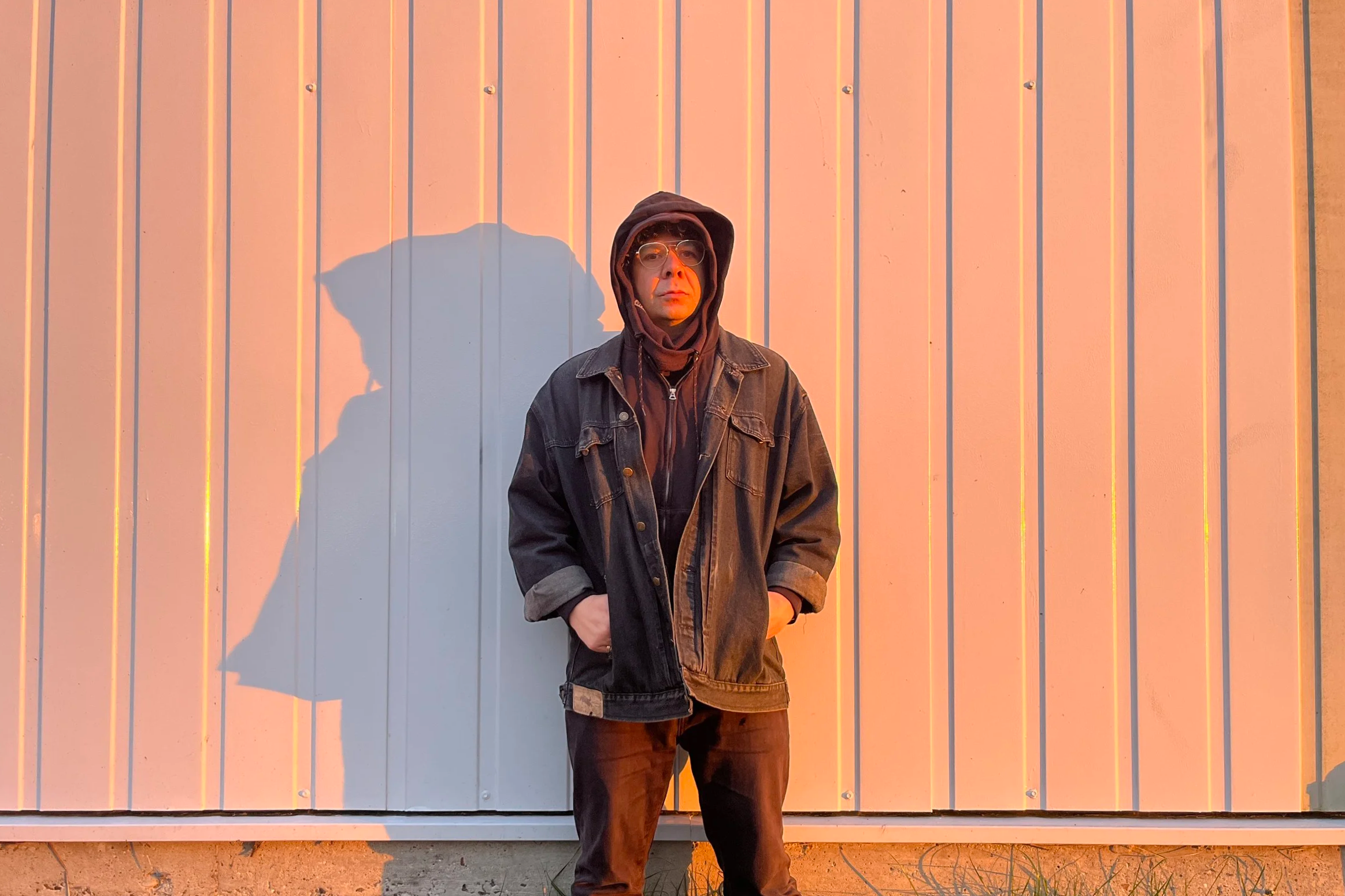
Dave from Hidden Agenda.
I first met Dave just over a year ago in his element: a gig in a small local venue in Amsterdam. We did the whole networking thing, exchanged Instagram accounts, and he messaged me simply “hey it’s Dave from Hidden Agenda” so I wouldn’t forget about it. Little did he know, Hidden Agenda would soon take over much of my brain.
If you’re not aware, Hidden Agenda is a gig guide dedicated to evening the playing field between small and not-so-small venues and musicians. This year they’ve expanded from the digital into the tangible realm with a monthly magazine that includes event recommendations, monthly artists, and editorials.
Their team of nine people have now made Hidden Agenda available in more than 60 locations around Amsterdam (soon with more to come) and celebrate the art that’s right at our doorsteps, if we just take a moment to look.
Dave and I sat down to talk about it at a café beside the water shortly after King’s Day. Leftovers of the carnage were still sprinkled around the city but the sun was shining and the coffee was good, so we had no complaints. I was nervous, Dave was friendly, and the conversation quickly moved from practical to borderline philosophical. It was great.
What’s the process behind the scenes?
Well, the main focus of each edition really is the [cover] artist to begin with. Aside from the crux of what the magazine is, which is a gig guide. The guide actually comes at the latest moment, because all the gigs come in at the last moment and to be as accurate as you can, you have to wait.
So we plan which artists will have each edition months in advance. We have Una Jongenelis who helps us curate the artists, and between me and her, we find them. We have Patou, who writes all the interviews with them. Between the three of them—the artists for each issue, Patou, and Una—they create their own little ecosystem of figuring out their timelines. That usually kicks in before the next one’s out.
Patou is amazing. He researches the shit out of the artists, interviews them, writes a sort of monologue with bits of their quotes and stuff like that. Then Dorien from Queer Kalendar is just doing an amazing job anyway. She kind of does what we do but just for queer culture, and it’s not just music. We use scraping tools to get a lot of information but she hand curates it basically, even though she teaches HTML code. She’s a genius, she’s amazing. So every month she puts together a huge list.
And then usually in the five days before print deadline, we go into a crazed mode of trying to input all the gig guide data. We have this guy, Thomas Payne, who’s just done such an amazing job. I’m now scared not to use him.
“The ethos behind Hidden Agenda is us trying to shift how people consume and value music.”
So he’s the one that maps out the actual look of the magazine?
No, he actually just does the editorial pages, he comes in and does the four artist pages and what were the No Promo pages of our promoters. This month’s a bit different, we’ve got an editorial piece on Stripfest and a double spread on Indiestad. So we’re sort of transitioning a little bit. Actually, the entire branding was done by a friend of mine called Gemma Stoner—she’s constantly asked if that’s her real name.
Is it?
Yep! So when I first started the website, like three years ago, she was living in Amsterdam and helped me map it out. Then when Giuseppe came on board—which is the tech director now—we decided to rebrand and [Gemma] did all the branding. When it came to the magazine, I was like, “Hey, I want to make a magazine”, and she’s now accredited as the brand overlord [chuckles]. And she kind of is! She got all the brand colours, the fonts, did the layout of the gig guide, how everything’s supposed to look, the cover, the templates. She really gave us a full template that we can move with inside.
Then the last few days [of the process], it’s just me, I do all the input data now. So it’s just a flurry of activity of getting the stuff from the website. There’s a lot of venues that I talk to directly who don’t have their agendas up, like 'Skek, Plantage Dok, Soundgarden, The Cave, De Fik. So the last two days, it’s just non-stop sitting at a computer inputting all the data.
Then it’s juggling all the advertising around—because you’ve got sort of a fluctuating amount of events and then a fluctuating amount of advertising inside the gig guide, which is just a big tessellation project without making it look really ugly [chuckles]. Then at the end we have a little breather where we start focussing on what we send away to the printers.
And today they’re ready, so they’re offset printed and I go pick them up in my car. The car just sits down on the springs. It’s like 350 kilos of magazines or something. [laughs] It’s… so heavy, I really worry for the health of my car, actually. Then tomorrow I rent an electric bakfiets and just put like a thousand in at a time and go biking around the city all day.
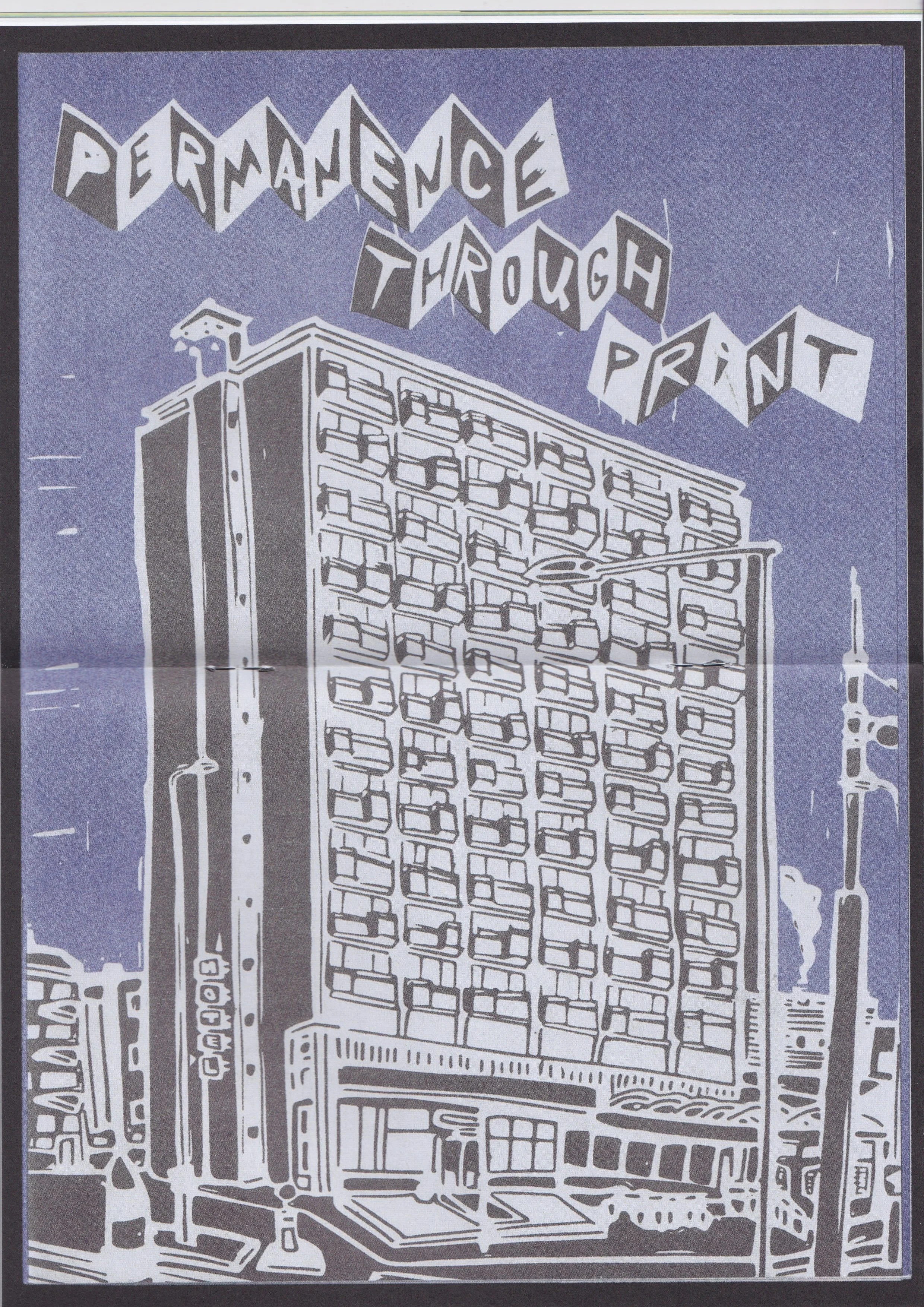
Artwork by Layla Gijsen for Hidden Agenda’s April 2026 edition
That sounds like it would either be really fun if you're in the mood, or or just exhausting.
So far, I’ve been really lucky. There’s been no rainy days and it’s actually a really exciting time. With a lot of the places, you don’t have a lot of contact with the staff so it’s really nice going in and to talking to them and getting some real life feedback about the last [edition], how things went, how the city is reacting to it. I always feel quite euphoric after delivering.
Even though we have a team, so much is done just on your own at a computer. We don’t have an office, I’ve just got a desk space in an attic and it feels weird sometimes when you’re making something that’s all over the city but you’re just on your own in front of a laptop. So it’s nice to be able to go out and talk to people and get feedback, it sort of makes the whole thing seem worthwhile.
I imagine it must be similar to hosting an event. You put so much work into finding the artists, promoting, making posters and so on, and you have no idea until on the day you see all the people that come, and you kind of sigh in relief and realise it was worth it.
Totally. Before putting on an event, there’s this sort of buildup of anxiety. Like, “shit, is anyone going to come? Are these ticket sales real?” Then on the day everything works out and you feel hugged by the community or something—or you just feel like you’ve contributed, I think is actually a better way of thinking of it. I think that’s what the buzz that I get off it is, that you feel like you’re actually contributing to the culture of the city that you live in, in a positive way, that is making a difference. So delivering is a slog, but it’s fun.
“Something funny about being part of a local scene is that the longer you’re in it, contribution becomes a larger desire.”
You do some events as well, right? You did the festival last year?
Yeah, I work personally with Geertruida quite a lot, the record label from Haarlem. We’ve done loads of events together in the past, and I put out some music on the label as well. [Hidden Agenda Events Director] Marijn was one of the first people I met when I moved to Netherlands.
A few years ago, I was really stuck in a rut and I just wanted to do more in this sphere. So I started helping them out with some stuff. And we came up with this idea of starting a festival. We did three editions so far, it’s called Uiui Fest. It’s kind of like a discovery festival where we try and curate a nice blend of mid-tier bands that are really high quality, with obscure bands that are also really high quality but don’t get much exposure. It’s definitely something that we are ambitious about and feel good about how it’s going. So yeah, stay tuned for that one.
It sounds like a very good way to give a bigger platform to small bands.
Yeah, man. For the first one, we had this band from Chicago called Problems. He was insane, he was so funny. Jena Jang this year was super amazing, she’s this noise metal artist from South Korea, who has this big board of pedals, and she runs a hairdryer through it [chuckles]. It’s just all DIY, it’s really intense. We had a light installation crew this year called .WEST who came in and decked the whole room out upstairs [at Cinetol]. It was insane, they’re these local legends that do this kind of stuff. It was a real crazy, intense room this year. So I hope to carry on that kind of experience.
You want people to feel like when they come away from something like that, they just experienced something new. Even if they hated it, even if they had to leave halfway through, that’s fine. As long as they weren’t in the middle, as long as they invoke some kind of emotion, either you love it, you hate it, or you think about it. And think, why was that what it was? Why does that exist? Why did the world need that? What is going on there? That’s probably the best result. Hating stuff is easy. Loving stuff is harder. Contemplating why it exists is even harder [chuckles].
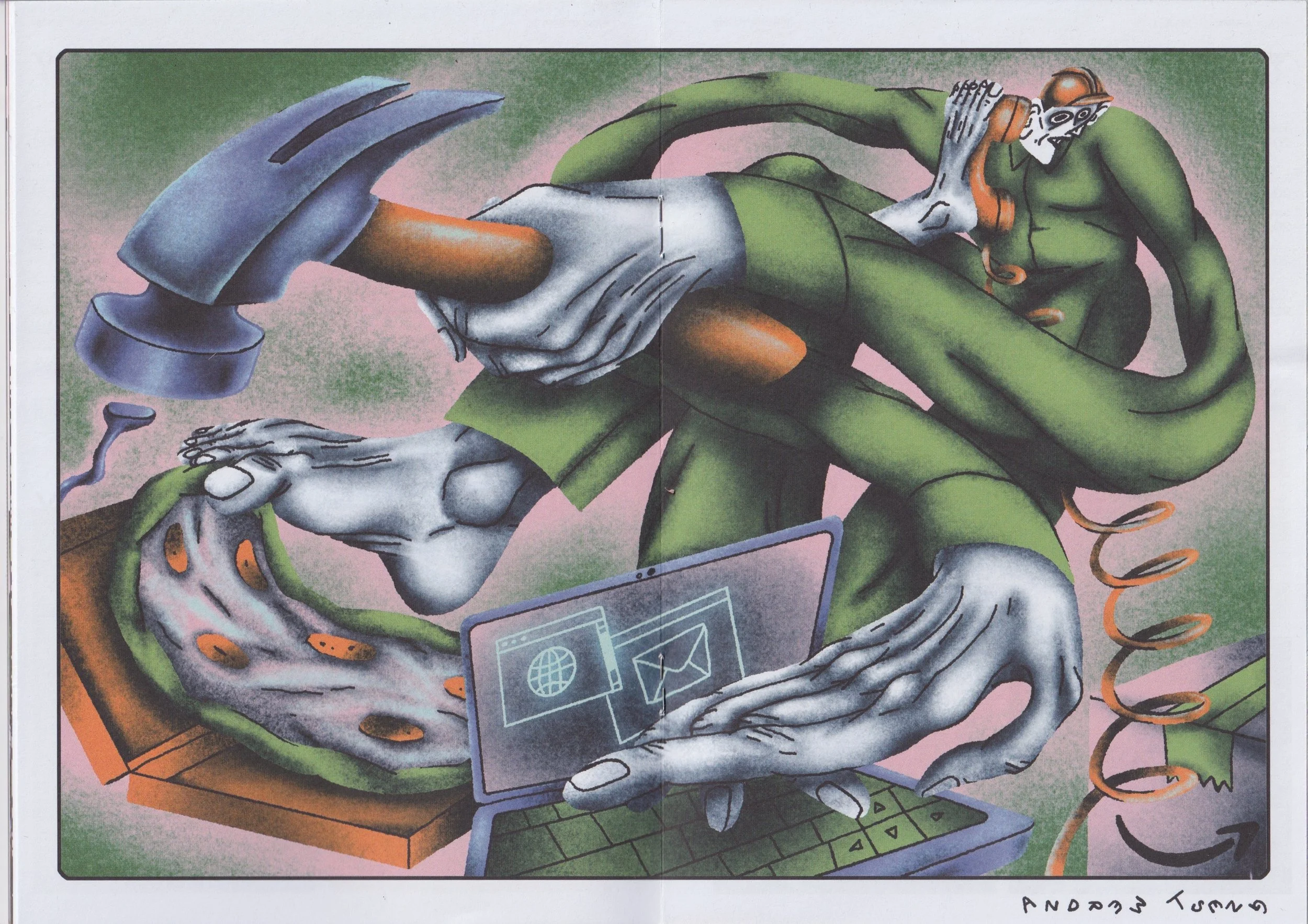
Artwork by Andrew Tseng for Hidden Agenda’s February 2026 edition.
I’ve also been thinking about the music I’ve been listening to and I’ve been going more towards the easy, digestible stuff. I can feel myself becoming more boring, and I don’t know why I do it. But shows like that are a great reset for that.
Why do you think that is? Why do you think you’ve leaned towards the more digestible?
I think for example I’ll put music in the background while I work. So I can’t get too involved in it, otherwise I won’t get anything done. I think that’s how it started. But then that instinct has kind of bled into everything.
Yeah, it’s funny that one, the background music thing, I feel myself doing it sometimes as well. A lot of people do it, you put on mindless streaming platforms and then things just happen in the background as a long stretch of noise. You don’t absorb any music, and then when you’re finished, you don’t feel like listening to music because you’ve been listening to it all day, even though you haven’t been actually listening to it. And you couldn’t name any of the songs that you’ve just heard.
I have actually, another solo project called Animal Night Traits—we’re just about to release an album—and it was made for that exact purpose. I call it Staircore, which is basically the alternative to elevator music. And it’s just instrumental background music that you can put on without feeling guilty [laughs]. It’s coming out on cassette. Maybe digital, maybe on Bandcamp. Not even sure, it might just be cassette. I don’t know, I have a difficult relationship with digital music at the moment.
“People are people, and they make cool stuff all the time and I’m constantly amazed at how much people are doing.”
Is that the same with other digital platforms? Because for example, Hidden Agenda is obviously now in print and it sounds like that’s what takes up most of your brain.
Yeah. The website is still the main event, really, because the magazine runs off the website. It’s a 60 page magazine, and roughly 40 pages of that are content from the website. So without the website, the magazine just doesn’t exist at all. But that’s what makes all the editorial pieces worthwhile, because you have this useful tool inside it that people not only want to take home and collect because it’s got an artist that they like, but because it’s something that they can refer to throughout the month and have sitting in their lounge. And you actually can use it. So the website is always the centralised point of that.
But the fun is in the print.
Yeah, it is much more fun making the magazine. The website has a lot of tech work and there’s a lot of CMS table database checking. On the website, myself, Giuseppe and Ana [Nieuwen] work on that. Giuseppe is the engine behind how we get all our information. He’s one of the three directors. Ana is a friend of mine who is a mom who used to do a lot of data stuff back in the day, and she loves music, and she does the most amazing job... basically everything. I won’t bore you with the details, but every day Giuseppe scripts, they bring in thousands of events. Every day.
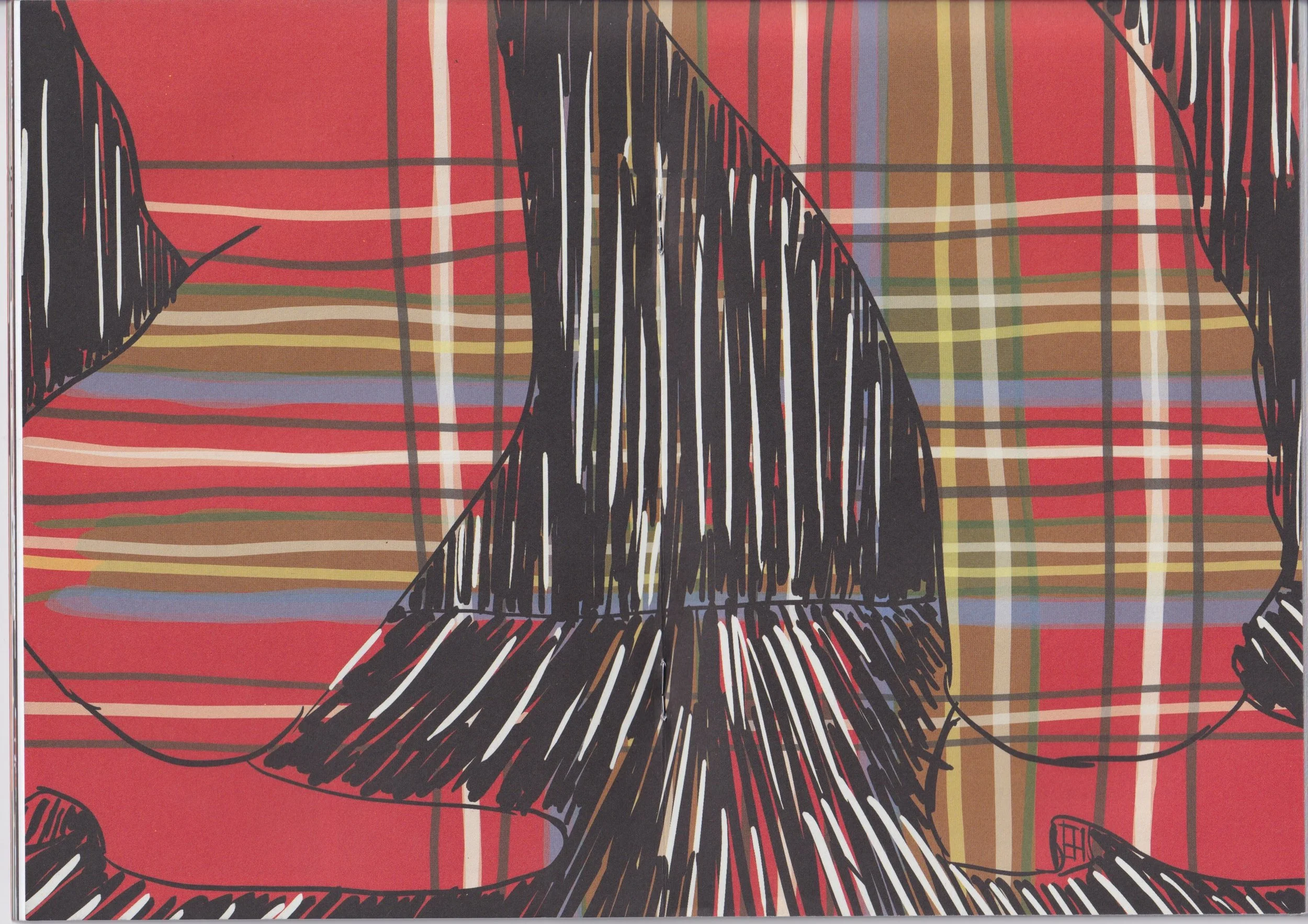
Artwork by Una Jongenelis for Hidden Agenda’s May 2026 edition
That’s insane, there really is so much cool shit happening every day in this city.
It is the same ethos in both the magazine and the website of making that digital experience turn into a real life experience. I think particularly with the music industry now, it has so many fucking problems, and you can’t tackle them all at once. But I think that awareness of what’s happening in your city is important. We’re trying to break people out of habits, to help present real ways that people can explore and discover. Not just, “I discovered this new slow core band in Atlanta.” You didn’t discover it, man, it was fucking fed to you by something.
The ethos behind Hidden Agenda is us trying to shift how people consume and value music. We’re in this fucked situation where the last 15 years of streaming has basically brought the valuation of a song down to zero, and that’s the expectation of the public. “Everything at any time, whenever I want” is the expectation, for basically nothing.
But there’s still so much going on around you. There’s so many people around the city that are just doing things for the passion, that don’t get exposure because everyone goes to the two main websites to get their music or events from, or people get stuck in a rut, or it’s too overwhelming, or they use Spotify or Tidal or Deezer or BandsInTown or Songkick. Internal discovery and motivation to discover is just at zero.
But people are people, and they make cool stuff all the time and I’m constantly amazed at how much people are doing. Hidden Agenda made me feel very optimistic about the future of music in general. Because despite the fact that people get paid nothing, and it’s absolute slog, and you have to fight ridiculous algorithms to get exposure, people still do it. It’s almost insanity [laughs]. But people will still do it, and I think people all over the world are trying to tackle this problem as well. It’s not an unknown problem, it’s this massive elephant that not only is in the room, but owns the fucking house that you’re hanging out in [laughs]. It’s so obvious. So I think it’s quite an easy guiding light [for Hidden Agenda]: you’ve got this massive selection of huge problems, choose a few of them and try to solve them.
It’s hard to deal with the psychology of not just the listener but the artists as well, and what the devaluation of digital music has done to that. And more importantly, the gamification of the value system of music. When you’re an artist you spend all this time on a song or an album, you put it out, and then it’s so tempting to addictively refresh your streaming distro platforms to see how many streams you got on a daily basis—sometimes hourly. But that’s not an accurate valuation of your music at all, the stats aren’t even real. Something might have just been playing in the background, and the listeners probably don’t even know who you are. But it goes into that into that valuation system, it goes into your stats. You get fed it and that’s how you decide whether your song was good or not.
“I think that’s what the buzz that I get off it is, that you feel like you’re actually contributing to the culture of the city that you live in, in a positive way, that is making a difference.”
And you get used to that kind of thinking as well, even if you tell yourself that it’s not an accurate measure of whether your song is good, it’s very basic processes that happen in your brain that makes it very hard to remind yourself that it’s not accurate.
Totally, it messes with your internal compass a lot. It’s something that I struggle with. I’ve been making music for 15, 20 years or something in a semi-serious way—and I put out an embarrassingly small amount of music in that time—but the relationship between your motivation to make music and release it changes a lot. Mine has changed a lot. I have so much stuff sitting on hard drives and I just don’t care about releasing it. The fun part’s done and the next part is just hell [chuckles]. You have to become a promoter, a content creator… Unless you’re a sort of big artist, release is just such a letdown. The only thing that you really feel good about is playing it live.
There’s what, like a hundred thousand songs getting uploaded into Spotify every day? Not including Tidal, Apple, and so on; songs just kind of disappear, they just go into some kind of battle with algorithm madness that you have zero control over, and then you’re expected to turn into some kind of social media giant content creator. And I just don’t care about any of that shit.
For example, the Animal Night Traits album was actually finished last year, I wrote it in two weeks, it’s still not released. And it’s been finished! I just don't care, I don't have any excitement over it. The release process and how artists feel about it—the gamification of all those stupid stats—it’s just the feeling of worthlessness you can get from working on something for ages and then putting it out and getting nothing [chuckles], you wonder what’s the point.
When I took my stuff off the streaming platforms [and put it just on Bandcamp], I knew I didn’t have a solution, I didn’t have a plan, but I knew that doing it would make me think about what that plan would be. It’s sort of creating a problem to solve a problem in a way. And it sort of helped me think about how I value my own music and what I want from it. I realised what I really want from a release is interaction. I just want real interaction from a real person that’s like, “hey I like your music, can I have it?” And I’ll be like, “yeah you can have it all for free”.
It must be so freeing to just have your attitude of just enjoying making it, and not having to rely on it for a living.
I have friends in Australia who all just have part-time jobs so that they don’t fall into a trap of having to rely full-time on music. Even though they’re really talented musicians, there’s a sort of idea that once you do that you have to play the game, and the game currently is extremely difficult. It’s more of a lottery.
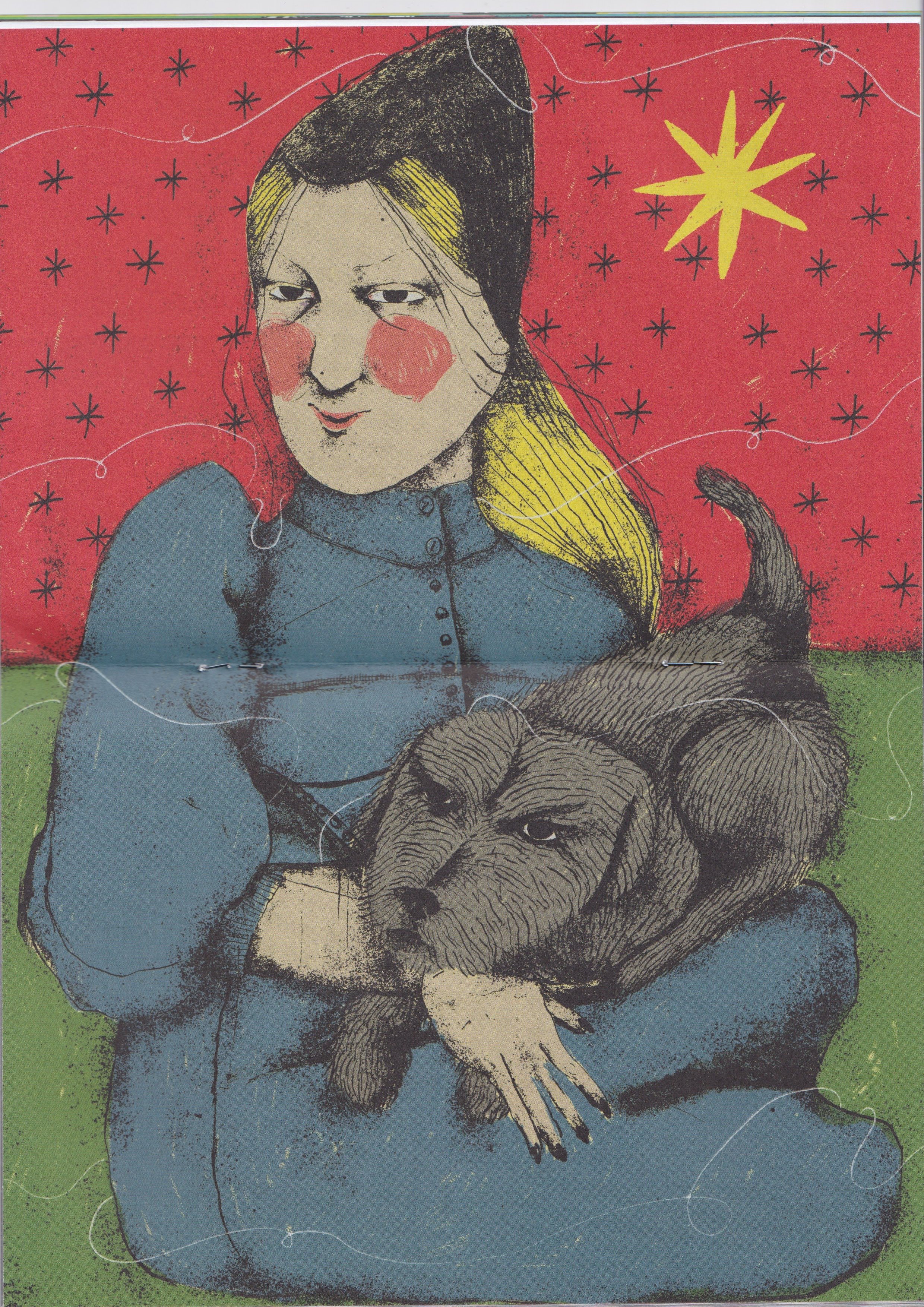
Artwork by Marieke Druiven for Hidden Agenda’s June 2026 edition
Do you think it’s gotten harder over the years or is it just a different kind of hard?
I think it’s a different kind of hard. Being a musician in the 60s wasn’t easy. It’s never been easy, but I think the difficulty now is that first of all, everyone can be a musician. You can buy a cheap laptop and get most of your song created for you by whatever tools you subscribe to and then put it out as an artist. Maybe you become really successful because actually you’re a really good content creator, and the line blurs a lot. I think the flooding of artists is a problem because with how advanced the tools are, you don’t have to be good at anything to release pretty good music. That’s what you you’re up against. Obviously you’re always up against major labels, but it’s more like you’re up against millions and millions of marketing geniuses. And if you’re not a marketing genius, if you just want to write songs, then it’s very difficult. And disheartening.
That’s the thing, that now we’ve moved into this different sphere where you’ve got this accessibility to make music and and distribute music globally where anyone can do it. You can just go subscribe to a few AI production tools, get your voice retuned—not just auto-tuned, but you can select the type of voice that you want to have and match it to different artists. Anyone can do it.
I feel like it’s creating something like the difference between the mall and a vintage shop. I think what is maybe happening is a shift into this reality where if you don’t care about music, you listen to these streaming platforms over here, and if you care you go over there. It wasn’t like that 10 years ago, it wasn’t even like that 5 years ago. Now the ethical choice of how you digest music is at the forefront, so this onslaught of accessibility [in consumption as well as creation] is also helping push all the rubbish into one spot, and creating room for platforms to be available for active listeners. Which probably wouldn’t happen if it was still quite hard to make music. So there’s probably always a silver lining to this kind of thing.
READ MORE | Introducing Mother Johnson
That’s true, there’s definitely platforms now that are vocally anti-slop. Even Hidden Agenda, I like that when I submit an event it says “a human will review your submission”.
[Chuckles] Yeah, I think it’s important to know that there’s people on the other end. We make a real effort to try and to respond to everyone. If they just send an email saying “hey I really like what you’re doing and it’s helped" or whatever, we’ll write back. A lot of interactions like this have happened through a submission or just an email or a subscriber—because now we have subscribers—when you thank them for being a subscriber, some of those have turned into longer conversations where they’re even willing to help. It's cool.
How long has the subscription option been there?
Two weeks. I think we have 20 subscribers now, which is actually really good. Hopefully it’ll keep going, but every time I get an email saying that someone’s subscribed I’m lust like, “wow who are you? What are you doing? Do you want to hang out?” [Laughs] it’s quite thrilling. I actually got my daughter to make the artwork for some pages, the Support Us page, you can see all the hearts and stuff in the background. I asked her to draw loads of hearts and stuff and she—my daughter's called Nico by the way, she’d be pissed off if I don’t mention her, so Nico, you are mentioned. I asked her to do little hearts and stuff like that, and she did cupid arrows but they look very much like swords going through the hearts [laughs].
“The only thing that survives is the people who do it for free. So it’s something to be protected.”
Through Hidden Agenda you obviously get really in touch with the Amsterdam live music scene. With that, and since you moved here [in 2014], has your perception of the Amsterdam music scene changed a lot?
Yes definitely. My eyes have been opened up way more to how much people are doing, how many venues there are out there, how many promoters are out there doing things that don’t get exposure. Amsterdam has a really interesting relationship with local music, because there’s a massive, massive international music scene.
Before this I was in Sydney for 10 years, and before that New Zealand. Their international scene is is much smaller. Unless you’re a big band, it’s really hard to tour there, so the local scenes are the number one music scene in most cities. Whereas here, the local scene competes with this constant influx of massive bands that play every single day. So even if you’re not an active listener who’s invested in the local scene, you can still go to a show every day. But in places like Sydney, Melbourne, Brisbane, Canberra, you don’t have that luxury and so if you want to go to shows, you have to be interested in the local scene.
Something funny about being part of a local scene is that the longer you’re in it, contribution becomes a larger desire. Whether you’re doing it monetarily, by supporting and watching bands; or you’re playing music, starting a band, promoting. It’s one of those things that you feel like it’s an ecosystem that you can’t be just a spectator in. If you’re in it, there’s so many people doing stuff in it for free, that you want to give to it. So [Hidden Agenda has] really helped me find that in Amsterdam and find a way to contribute to it.
We try and help create an ecosystem for independent labels and artists that helps them survive in some way. So then for those people who do want to make a living out of music, it’s not just this disgusting hallway of handouts and soul-selling tasks and hoops to jump through. There is optimism in the space that has been provided by mainstream consumerism for music. It’s gotten so big now that there is room underneath for new things to come and start thriving, and for people to go to them and that have that option.
I think that’s the kind of choices of the digital landscape. It’s like your article that talks about Cantilever. Great example. [untitled], Nina Protocol, Audius, they’re all really good examples of people trying to solve that problem, because it exists now and there’s a demand for it.
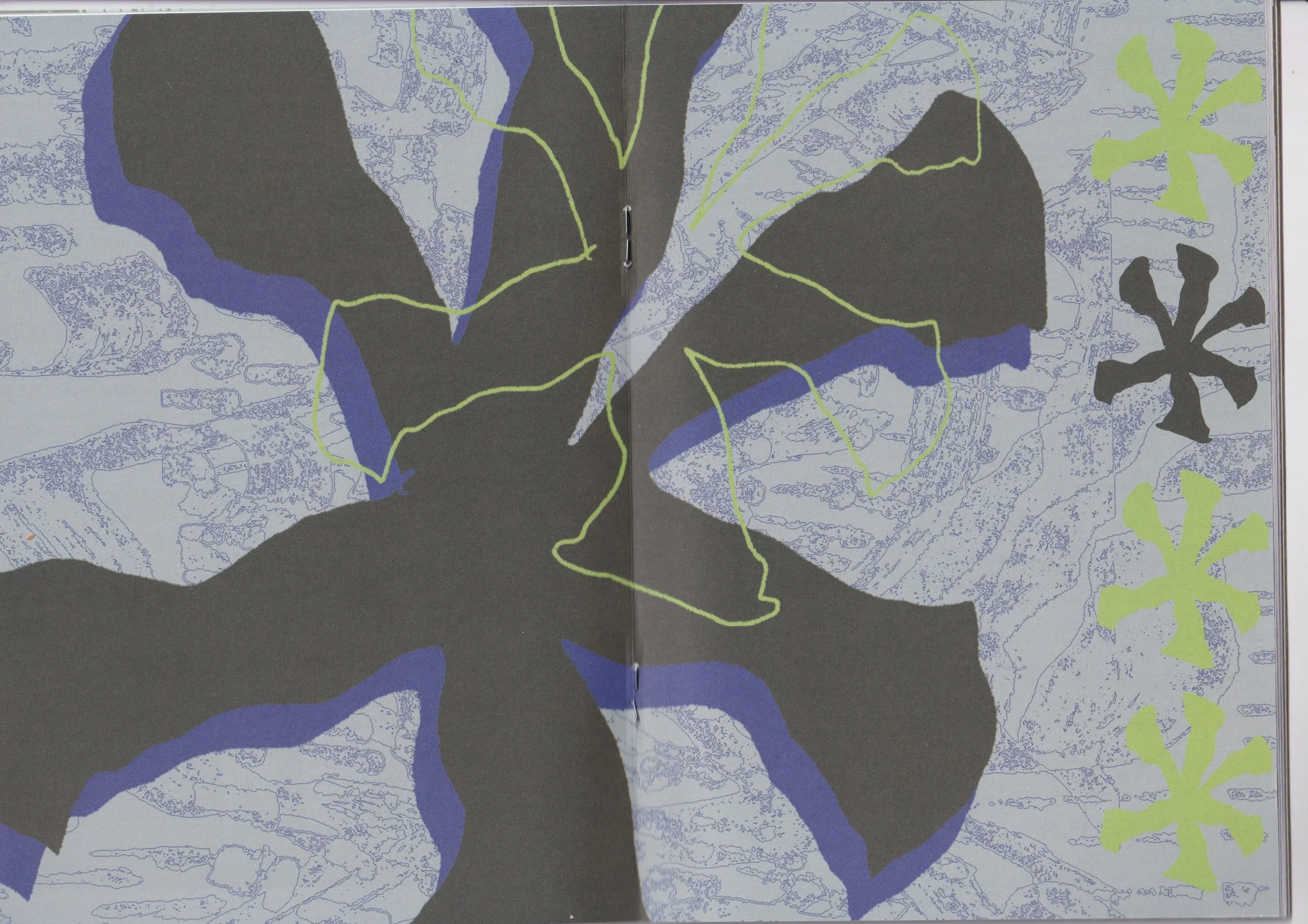
Artwork by Anna Fleuri Wolters for Hidden Agenda’s March 2026 edition
I have felt surprisingly hopeful in the past few months as I have more of these conversations, because I notice a shift from people complaining about the algorithm and Spotify and so on, to people doing something about it. A friend of mine is now actively not going to bigger concerts, but multiple times a week goes to smaller gigs.
That’s a funny thing, obviously the music industry has gone through massive changes constantly, where the money shifts from labels to tech companies. And the only thing that really keeps anything going is small shows. The underground, the DIY shows. People that do it just because they love it. That’s the only constant, literally the only thing that survives is the people who do it for free [chuckles]. So it’s something to be protected.
And I feel good. I feel really lucky with Hidden Agenda, the idea came along at the right time, and it’s now given us a platform to start moving in different directions where we can add more things that help. The website is the core, but it’s helping build a community around it, and then we can start building more tools that are useful rather than just different ways to make your life efficient for a small fee every month or whatever [chuckles].
“We try and help create an ecosystem for independent labels and artists that helps them survive in some way.”
It is very refreshing. I remember when I found out about Hidden Agenda and I thought, “huh, now searching is easier, but it’s still human-based”. It’s not some weird algorithm. I think people tend to confuse curation with some sort of algorithmic process.
I do have to be clear that we don’t really curate. Well, this is actually a bit of a grey area because in a sense we do curate, but through geography. But it’s more that we ask ourselves, “are we repeating information that you can just find on other platforms?” Some websites have thousands of events. And even when we first started Hidden Agenda, we were left with 10,000 events on the site. I was like, “this is insane, you can’t even find anything useful.”
It’s about the freedom of information and trying to make sure that everyone has access to the same stuff, make sure that that a small gig at De Nieuwe Anita has the same exposure on our website as a sell-out show at AFAS Live or Paradiso. So people can use different mechanisms to decide where they’re going and not just repetition of choice. Make your own mind up, look, discover, actively think about where you’re going, engage with it.
It’s going to be hard because there’s a whole generation of people who have grown up where discovery is not an active choice, it’s something that happens to you. That mentality will just exist forever in a certain part of the culture, but I think there’s room for more now, and people want it.